ASKLEPIAN DREAMING
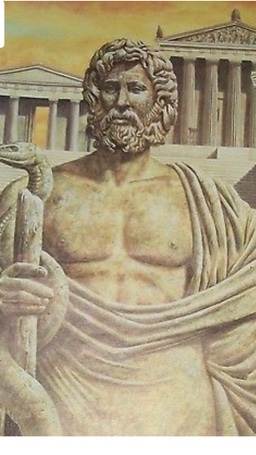
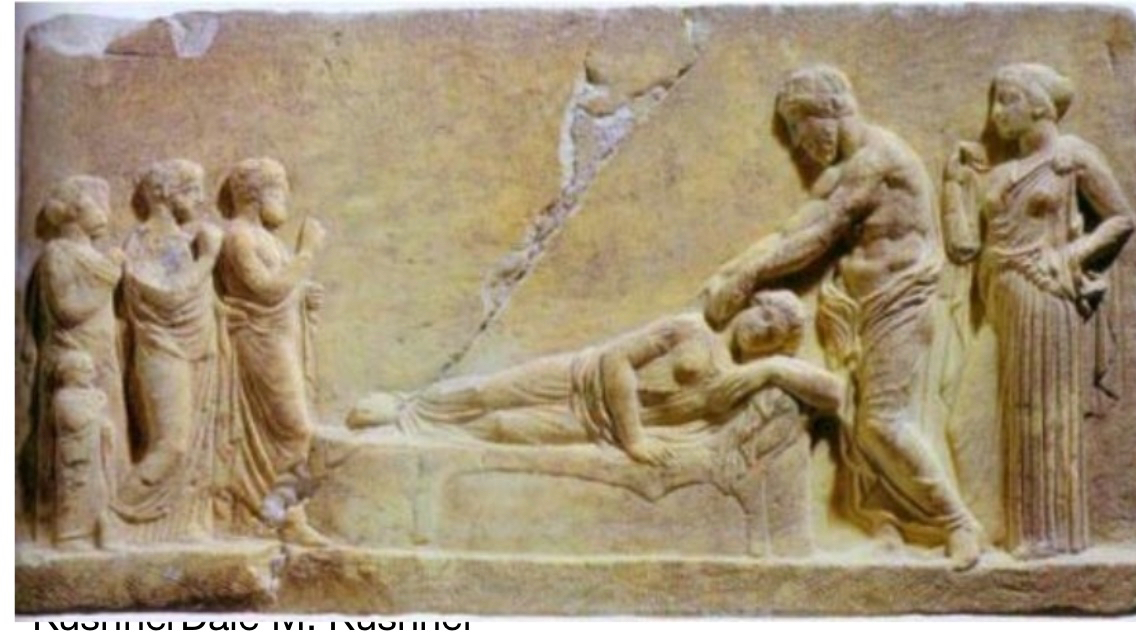
The history of the cult of Asklepios, the Greek God of healing, and his earlier Egyptian counterpart, Imhoptep, sits at the heart of ancients’ understanding of healing & medicine. Ancients believed that dreaming was an activity of the soul and essential to healing of the mind, body and spirit.
Asklepion cure centres, proto-type hospitals, were a fundamental part of the ancient Mediterranean world with 320 documented sites around the region. Once part of the Great Mysteries, Asklepios is considered a Pre-Christ figure, born of a divine father and mortal mother. His myth is also a resurrection story, as he found the secret of bringing back to life those who had died, much to the anger of the Gods who decided he should be killed. He was later made into a God and placed in the heavens as the Serpent Holder (Ophiuchus).
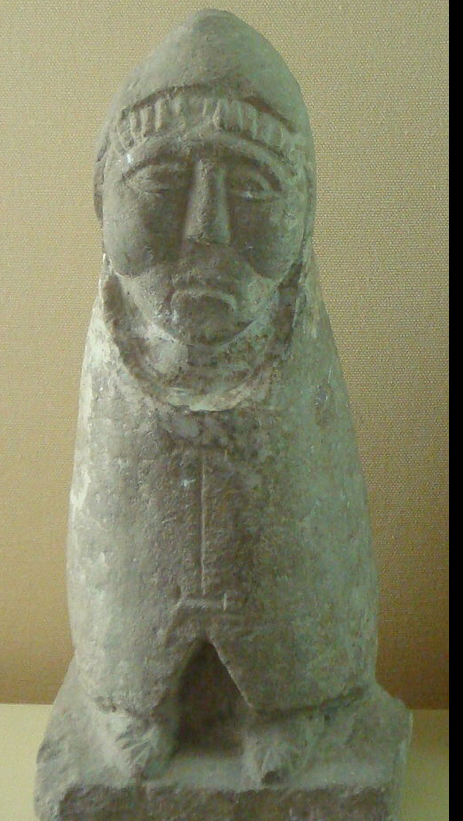
His Egyptian counterpart, Imhotep is accorded a similar heritage. As high priest and chancellor to the pharaohs and architect of the first step pyramid at Saqqara, Imhoptep was also revered as a god of medicine. Saqqara’s adjacent temple of healing is similar to Asklepios’s main centre at Epidavros in Greece. Modern scholars are now studying links between Imhoptep and Joseph’s dreams of the Old Testament bible.
In preparation for dream healing, incubation rituals at the Asklepieia cure centres would include immersion in the creative process. Then an individual chosen by the group would enter the Abaton – a womb like sleeping cave – whilst the remaining group would sleep in a nearby sleeping chamber.
Dreams would then be shared and discussed by the dream group, before the supplicants would resubmit to a continual creative imagination flow of music, poetry, art and drama during the day ready for further healing in the next night dream cycle.
As in ancient times our retreat dream groups will develop a radical ritual to create an ideal environment to prepare for dream incubation and healing, following the tradition of studying the key Asklepion healing images of the old man or the God himself, a cockerel, a dog, a snake and dwarf attendant/young boy based on the God’s son, Telesphoros, in various artistic forms.
Ancients believed that dreaming was an activity of the soul and essential to the healing of mind, body and spirit. By experimenting with and exploring the ancient rituals of the Asklepion dream incubation techniques the aim of a dream retreat is to experience the restoration of the creative imagination to the healing process. This will enable you to have a deeper understanding of how your soul in dream state connects your bodiy to the flow of healing imagery.
ABATON: In preparation for dream healing, the ancient incubation rituals would include immersion in the creative process. Then individuals would enter the Abaton – a womb-like sleeping cave – and would slide in ready for incubation that night. We play with this idea and encourage retreatants to create your own special dreaming space. I often use a small pop-up tent, making it cosy and womb-like with healing crystals and images inside. Other Abatons have included rigging up sheets as canopies and covered-over sleeping bags. It can also be something imaginary and I give a meditation to assist with this.
You can create and start sleeping in your own Abaton at home before the retreat if you want to build up the energy and start to enter the dream ritual process.
TEMPLE: The ancient Greeks would always make a ritual offering to the God Asklepios at the Asklepion sites, usually a cockerel. This was seen as an essential part of the immersive process. We suggest you build an altar in your room, placing items of significance for you, both before and during the retreat. An altar should ideally have the four elements represented: earth, air, fire and water and you might choose to play music. We will also have a communal temple altar. It can help to bring something that reflects a sacrifice you are prepared to make – as mentioned, the ancients used to kill a cockerel – we won’t be doing that 😉 – and anything else you want to offer to the Gods.